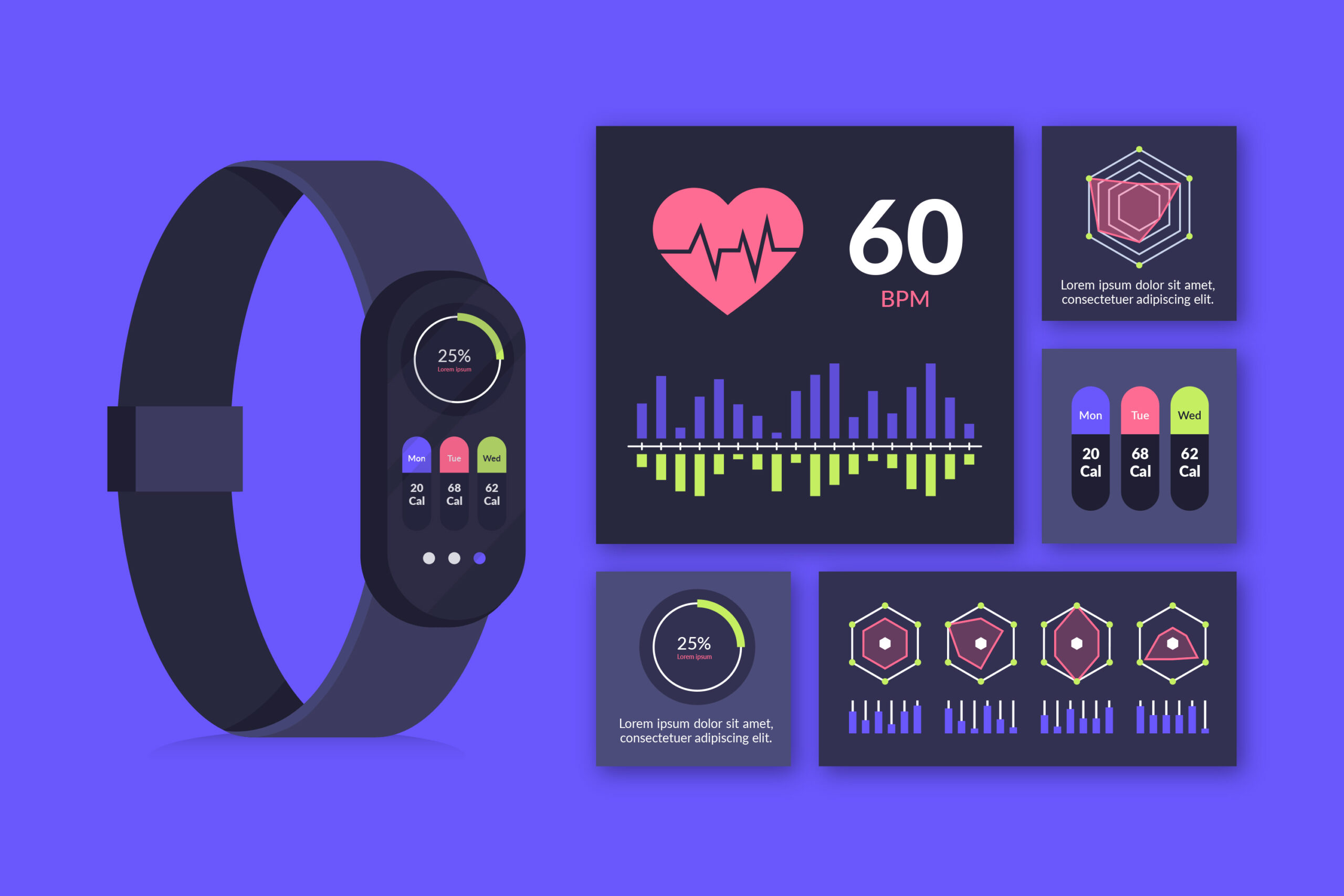
Smart Health Devices You Need in 2025 — From Heart Monitors to AI Scales
Introduction
Health-tech is entering a super-charged phase. Thanks to better sensors, connected devices and AI algorithms, what used to be only in hospitals is now in your home. From
wearables that monitor your heart rhythm, to
scales that estimate body composition, to
smart mirrors that screen for health issues — 2025 is shaping up to be the year your gadgets become your health assistants.
In this article we’ll look at why this matters, what to look for, and highlight key devices worth considering.
Why Smart Health Devices Matter
- Early detection: AI and smart sensors mean more data, earlier warnings. For example, researchers found an AI tool using a smartwatch ECG could detect structural heart disease. American Heart Association
- Continuous monitoring: Instead of once-a-year check-ups, you get real-time insight into sleep, activity, heart rate variability, etc.
- Personalised insights: Devices link with apps and cloud platforms, giving feedback tailored to you, not just generic advice.
- Empowerment & accessibility: Especially in markets like Pakistan and South Asia, home devices reduce barrier to monitoring and help manage health proactively.
What to Look For in 2025 Devices
Before you buy, check for the following features:
- Sensor accuracy & clinical validation: Devices that actually measure ECG, SpO₂, HRV, body composition with meaningful accuracy.
- AI or algorithm-based insights: It’s not enough to measure; your device/app should tell you what the numbers mean.
- Connectivity & app integration: Syncs with apps (iOS/Android), supports sharing data with doctor, integrates with platforms you use.
- Battery life & usability: Good wearables last several days; scales should support multiple users, automatic recognition.
- Local compatibility & support: In Pakistan/South Asia consider local language/app support, shipping, service.
- Privacy & data security: You’re collecting health data — see how it’s stored, shared.
- Affordability: High-end features can be expensive; check your budget vs benefit.
Top Smart Health Devices to Consider in 2025
Here are some standout options (with illustrative examples). Note: availability/pricing in Pakistan may vary; check local distributors or import.
- Wearable Smartwatch / Health Tracker: A device that tracks heart rhythm, sleep, activity, and uses AI to detect anomalies.
Example: A smartwatch with single-lead ECG + AI algorithm for structural heart disease. American Heart Association+1
- Smart Scale (AI Body Composition Scale): Not just weight – body fat %, muscle mass, water %, metabolic age, etc.
Example: A budget-friendly smart scale that tracks 13 health metrics and integrates with health platforms. The Verge
- Wearable Blood Pressure / Heart Monitor: Something that can reliably monitor BP or detect heart rhythm/valve issues via AI.
Example: Algorithm in a smartwatch detecting early signs of heart failure. Android Central
- Smart Mirror or Home Health Hub: A more advanced option for whole-body scanning, vitals, even telemedicine integration.
Example: Smart health mirror shown at CES 2025 that analyzes health metrics and provides actionable insights. Innovation & Tech Today+1
- Recovery / Sleep / Stress Tracker: Devices that focus less on step-count and more on HRV, recovery readiness, stress, sleep quality.
Example: Wearables for sleep and recovery tracking – featured in “best wearable health devices” 2025 list. myhealthtechtalk.com
Benefits of Having These Devices
- You can catch health deviations early (e.g., irregular rhythms, poor recovery) before symptoms show.
- Better data for your doctor: you can show trends rather than one-off readings.
- Motivational: Seeing your sleep, HRV, body composition progress helps behaviour change.
- Integrated health lifestyle: Your activity, sleep, weight, stress are all measured and connected.
- Convenience: Home monitoring reduces need for frequent clinic visits for basic checks.
Challenges & Things to Be Cautious About
- These devices are not replacements for medical diagnosis or professional care. If you detect something unusual, you still need a doctor.
- Accuracy can vary: Consumer gadgets may lag medical-grade equipment. For example, smartphone sensors may be less reliable. NetMag Pakistan
- Cost can add up: Devices + subscriptions + accessories.
- Data privacy: Your health data gets collected — know who has access.
- Local support: Warranty/service may be limited in Pakistan or may require import.
- Over-reliance: Don’t obsess over the numbers; use them as tools, not stressors.
Conclusion
In 2025, smart health devices have matured — they’re more accurate, more connected, and more meaningful. Whether you’re tracking your heart health, sleep, recovery, or body composition, there’s a device that can help you stay proactive about your health.
If you’re ready to invest in
one or two key devices this year, pick the areas that matter most to you (e.g., heart monitoring or body composition), check local compatibility, and commit to using the device
consistently.