Here are Top 10 Medical Startups Using Artificial Intelligence for Better Health — each with a brief description of what they do, how they’re using AI, and why they’re worth watching. If you like, I can pull together a table with funding, location and focus for each.
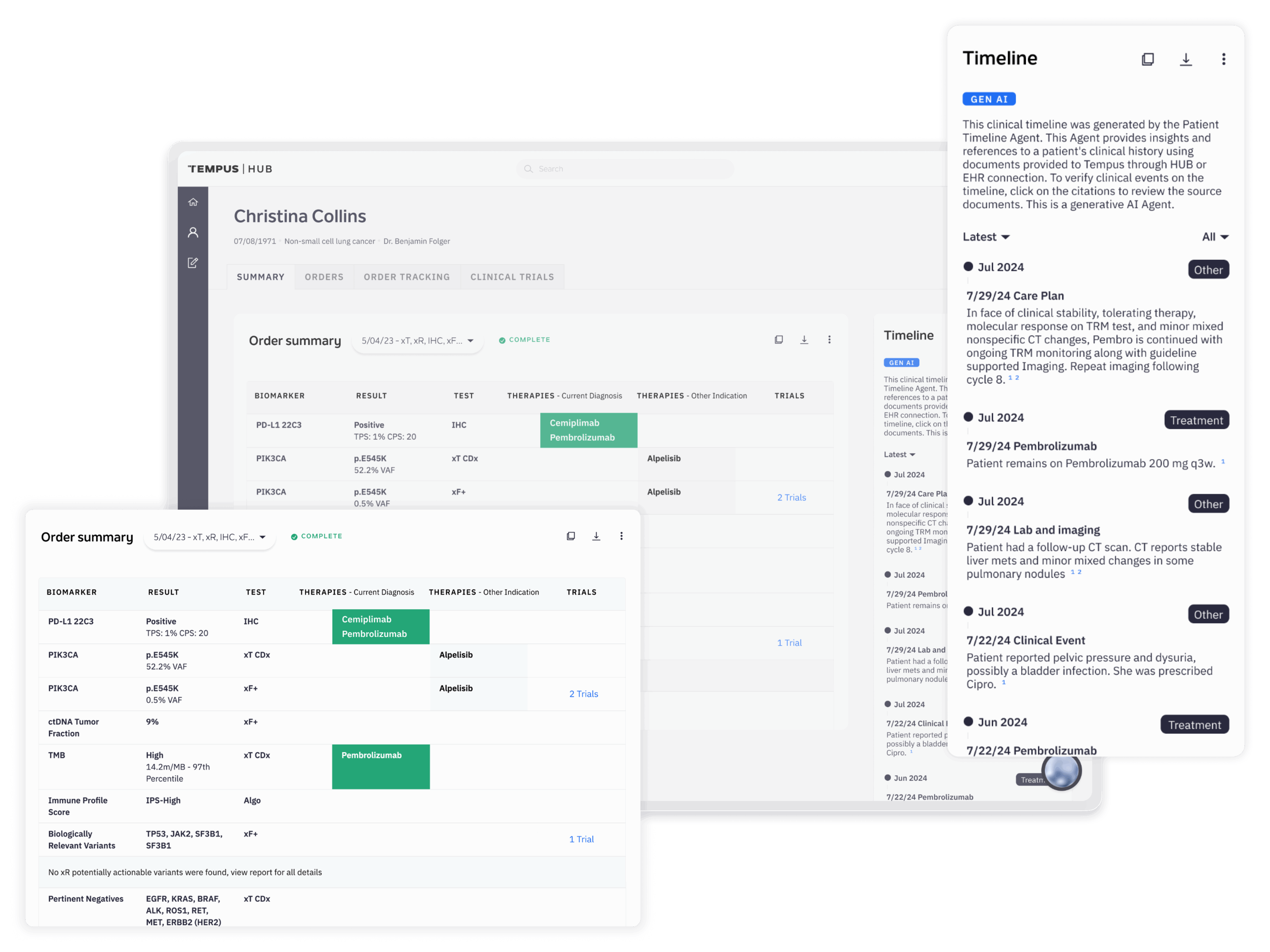
Tempus AI, Inc. (USA)
6
Focus: Precision medicine & oncology — analysing molecular, imaging and clinical data with AI. Wikipedia+2Koole AI+2
Why it stands out: They combine genomics + clinical information + AI to tailor treatments.
Key point: Example of AI being used not just for diagnostics but treatment decision support.
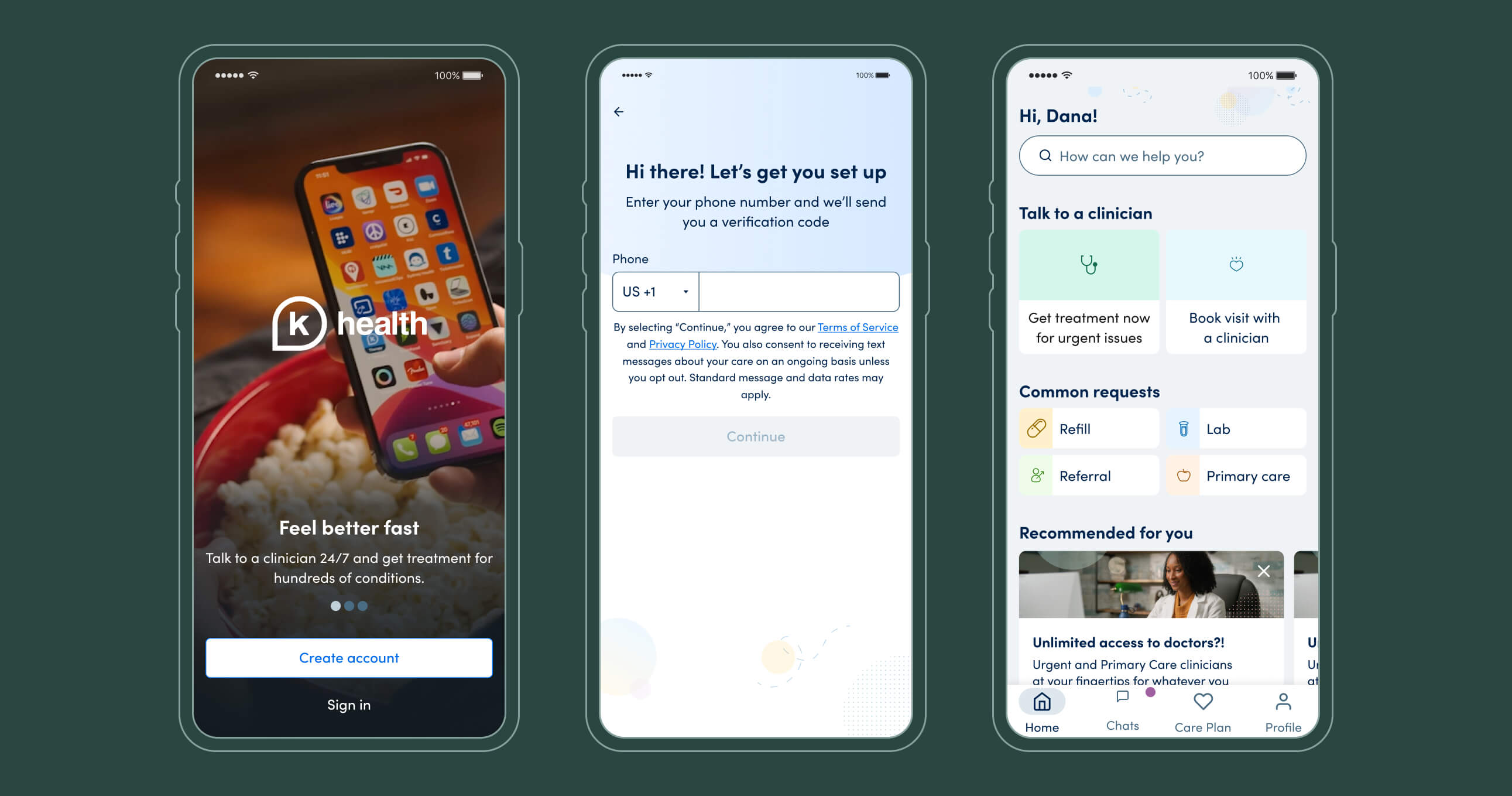
K Health (USA)
6
Focus: Virtual primary care + AI symptom checker. Wikipedia
Why it stands out: Uses AI to triage and guide patients virtually, expanding access.
Key point: Good example of AI in patient-front-end applications, not just behind the scenes.
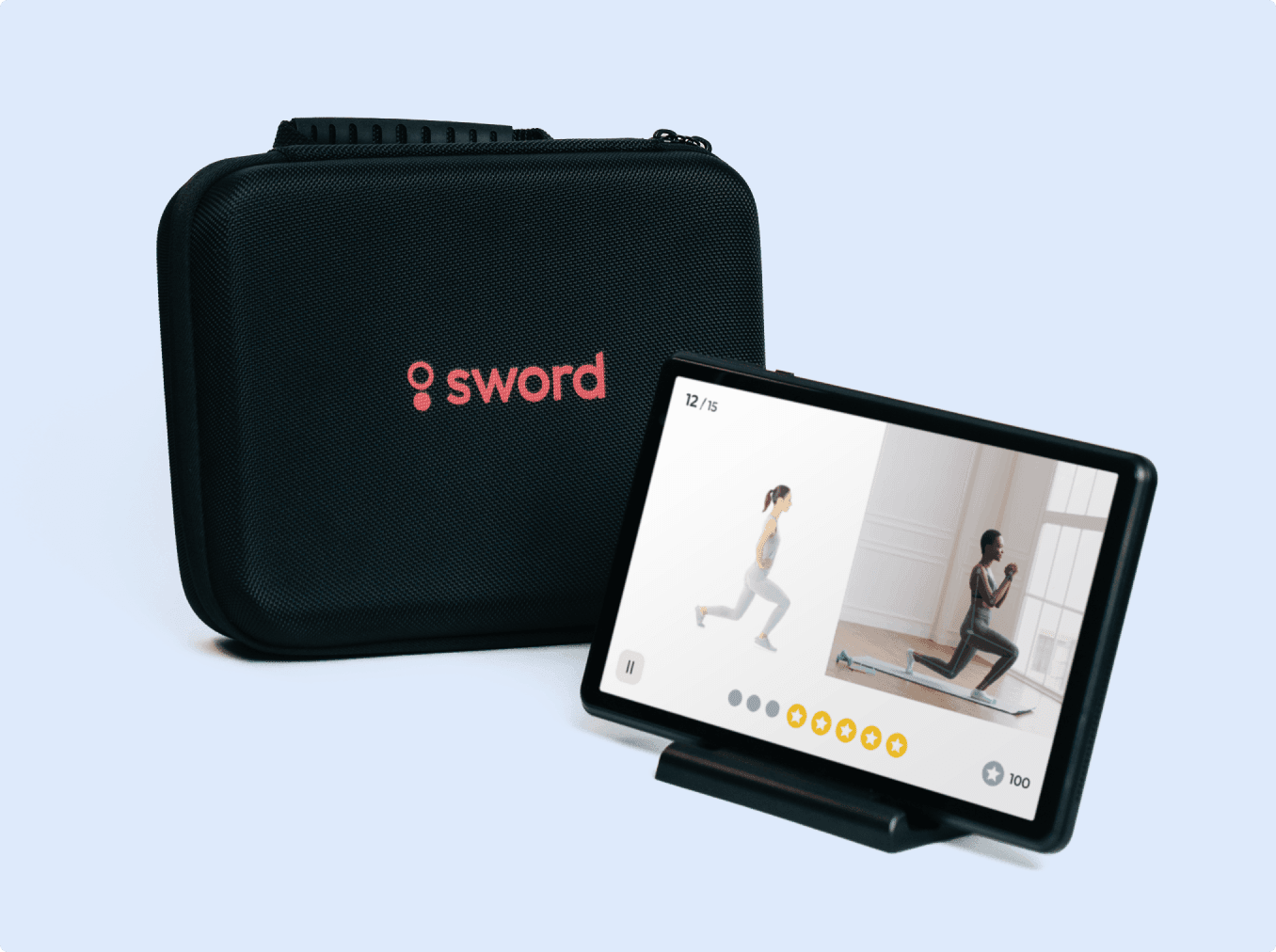
Sword Health (USA / Europe)
6
Focus: Digital physical therapy + musculoskeletal (MSK) conditions using AI. Wikipedia
Why it stands out: Not only diagnostics but rehabilitation via AI — helping patients at home, reducing need for clinic visits.
Key point: Shows how AI can go beyond hospitals into everyday care.
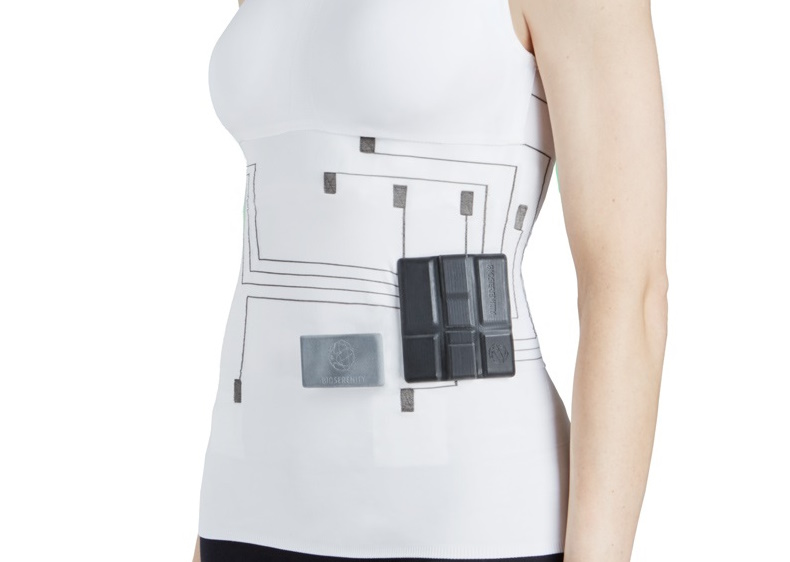
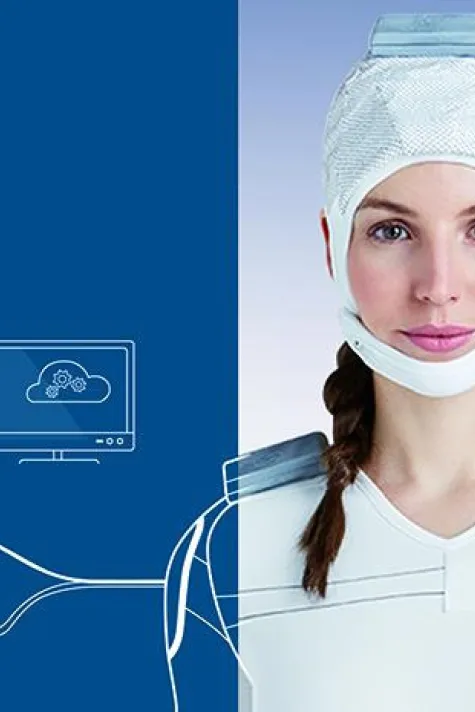
BioSerenity (France / US)
6
Focus: Medical devices + sensors + AI to monitor chronic diseases (neurology & cardiology) remotely. Wikipedia
Why it stands out: Combines hardware + software + AI — a holistic approach to remote care.
Key point: Indicative of trend toward wearables + AI-driven monitoring for chronic conditions.
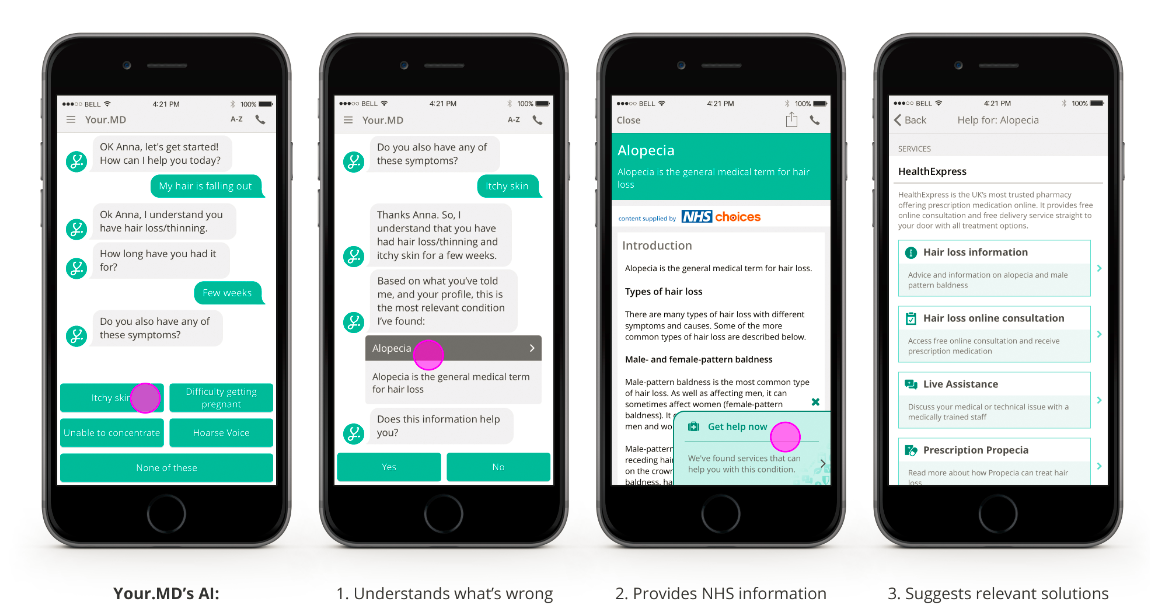
Your.MD (aka Healthily, UK)
6
Focus: AI chatbot for personalised health information and symptom checking. Wikipedia
Why it stands out: Accessible via smartphone, useful in locations with fewer doctors.
Key point: Good example of AI in democratizing health-access.
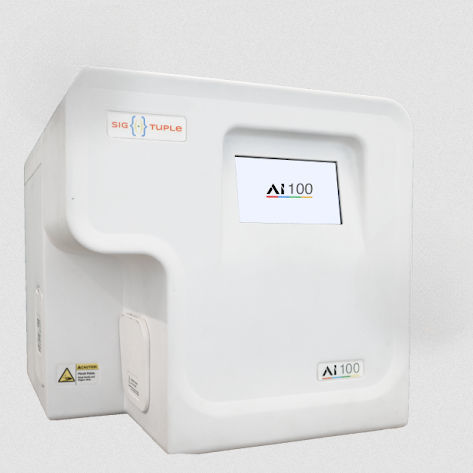
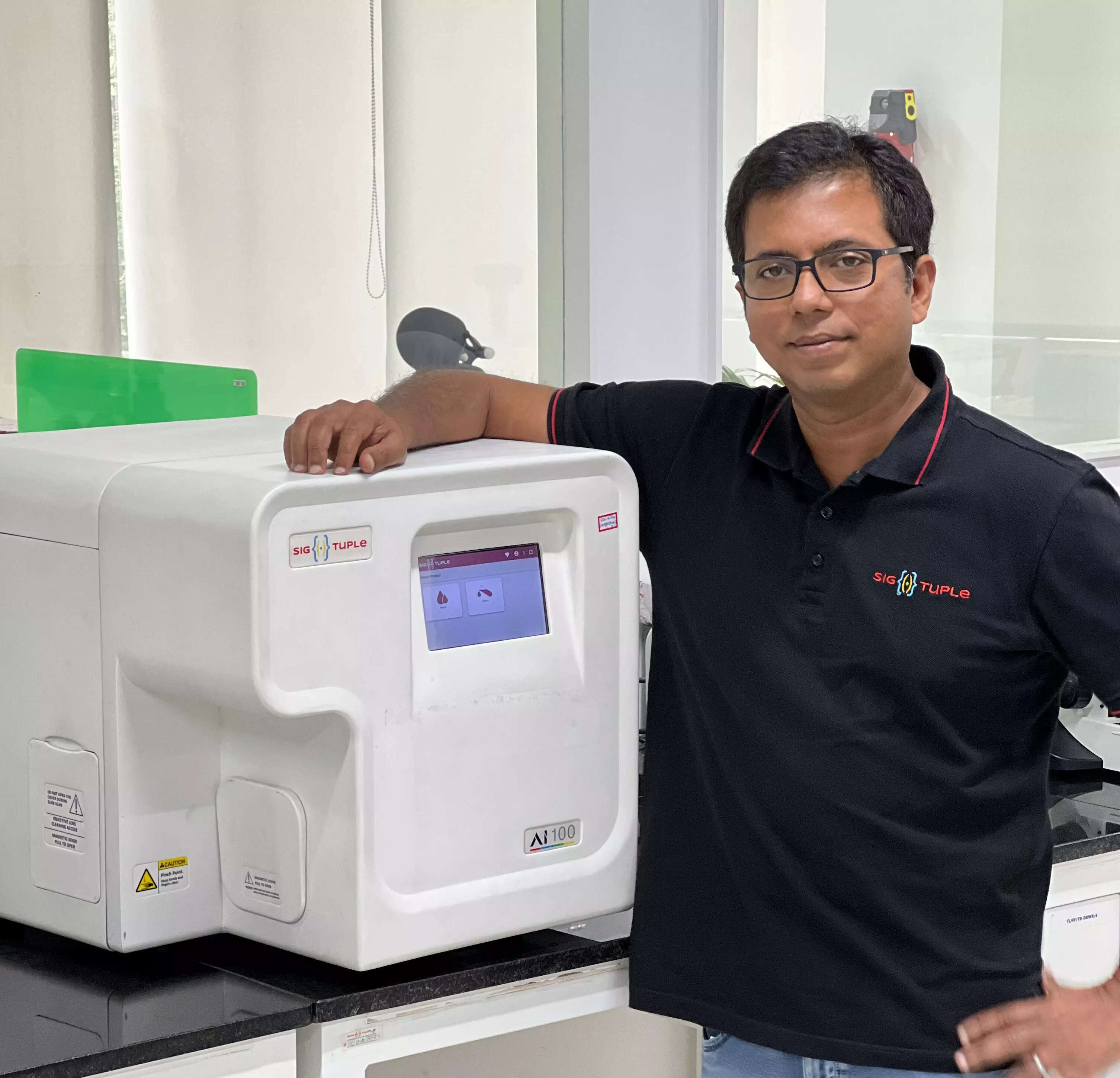
SigTuple (India)
6
Focus: Automating blood, urine & semen sample diagnostics via AI + robotics, especially in India. YourStory.com
Why it stands out: Addresses resource-constraint environments; reduces turnaround and dependence on specialist pathologists.
Key point: Strong example of AI solving access gap in emerging markets.
Qure.ai (India)
6
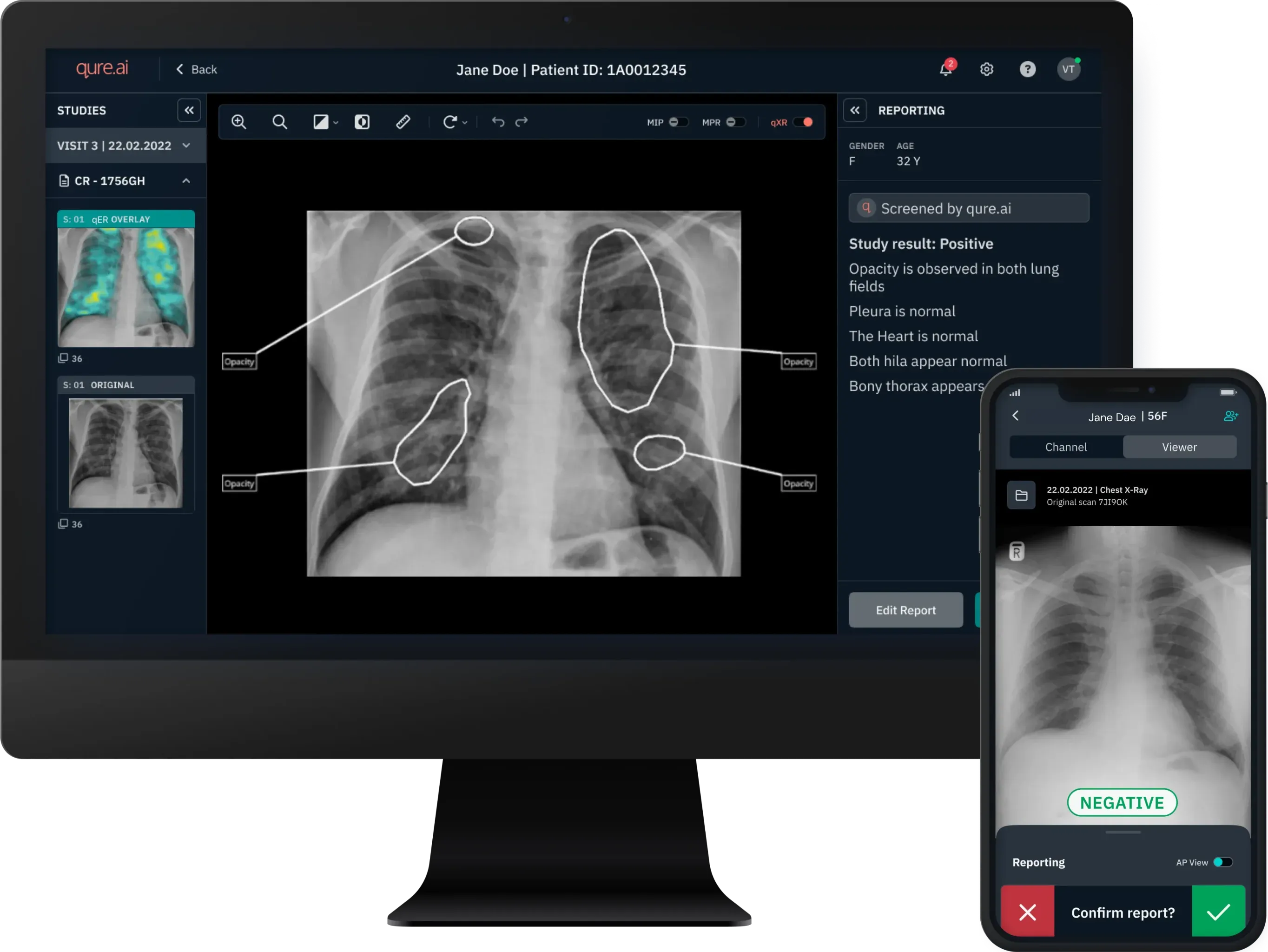
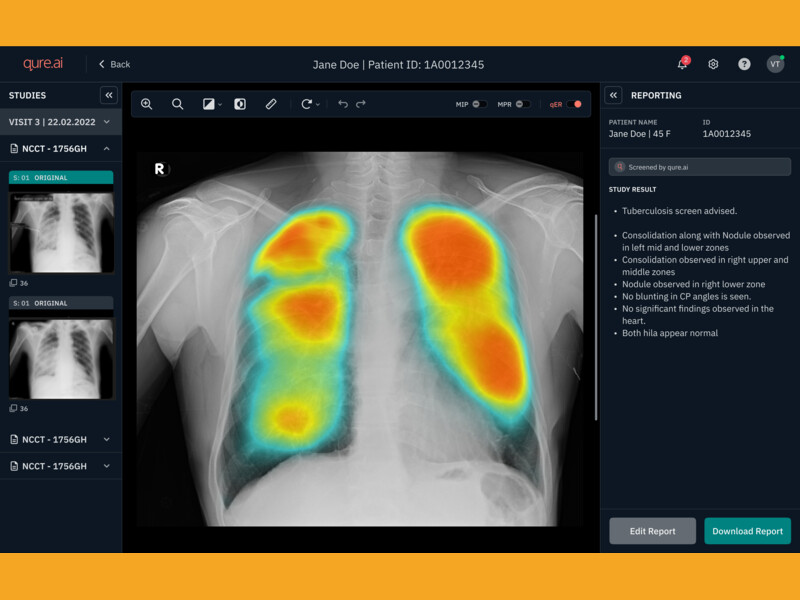
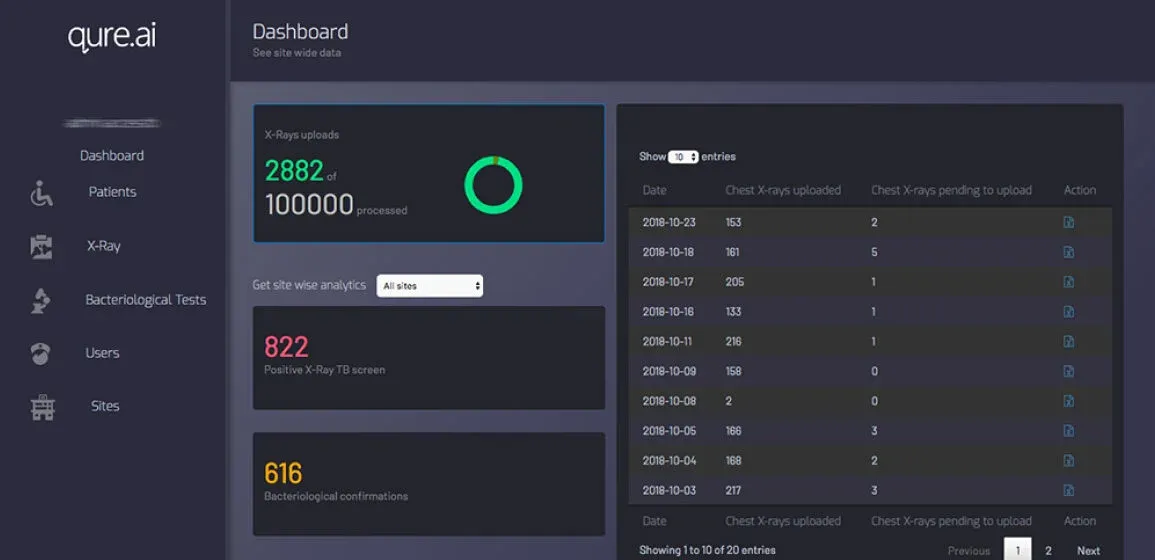
Focus: AI for medical imaging (chest, head CT, etc), especially for TB, pneumonia etc in resource-limited settings. E2E Networks
Why it stands out: Applied AI for public-health scale challenges like TB detection.
Key point: Highlights how AI can help infectious disease screening.
Freenome (USA)
5
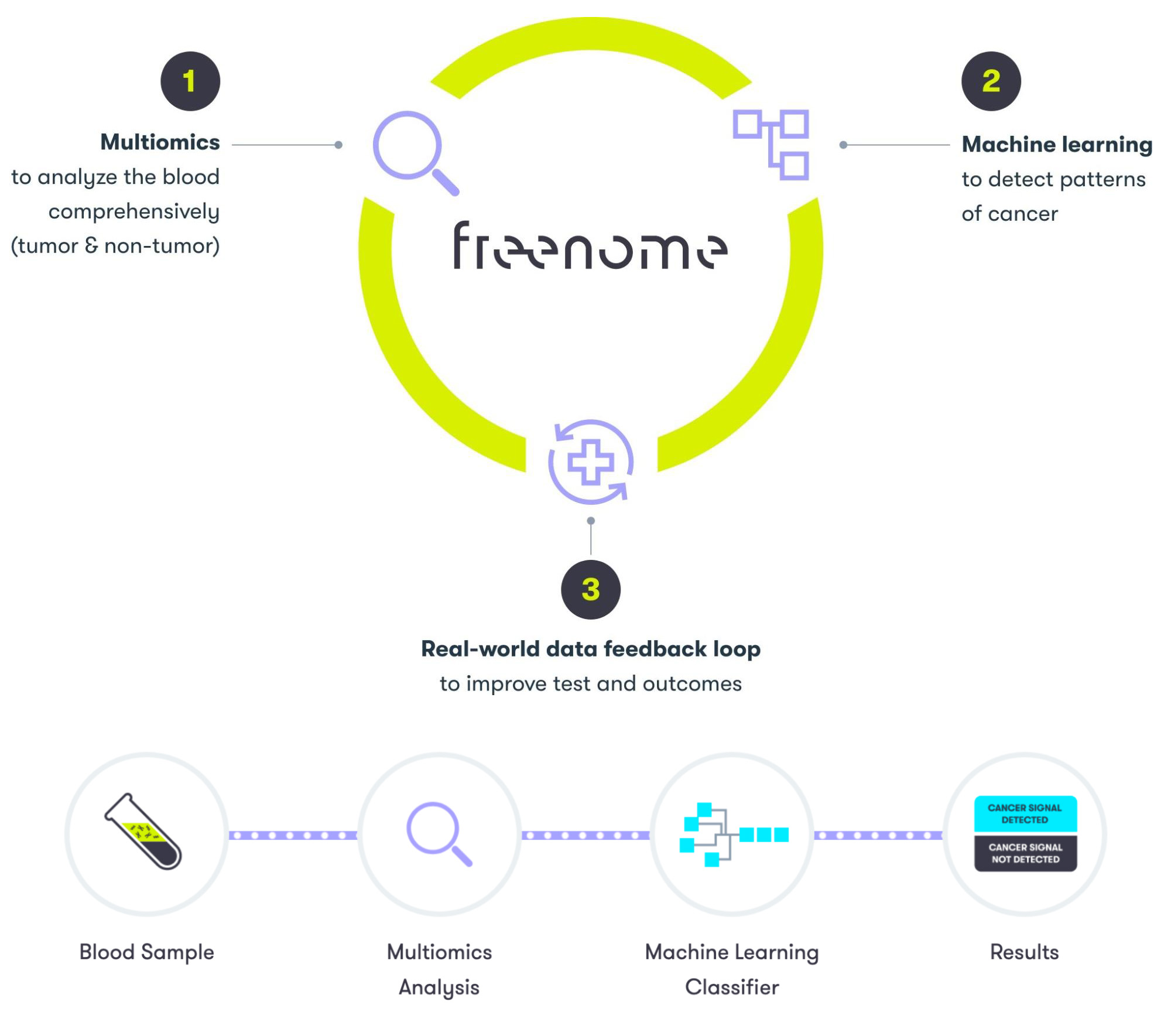
Focus: Early cancer detection using AI on blood tests and biomarkers. ai-startups.org
Why it stands out: Using non-invasive tests + AI to find cancer much earlier than standard methods.
Key point: Signifies AI in early disease detection which can vastly improve outcomes.
Rhino Health (USA)
6
Focus: Data & infrastructure platform to help healthcare AI development — securing, curating, providing datasets for AI in medicine. Startup Savant
Why it stands out: Addresses a key bottleneck of AI-in-health: quality data & interoperability.
Key point: Not just direct care, but enabling the ecosystem for AI-health innovation.
OpenEvidence (USA)
6
Focus: AI tools to support clinicians with real-time evidence-based insights in diagnosis/treatment. DelveInsight
Why it stands out: Bridges gap between raw AI models and real-time clinical decision workflow.
Key point: Good example of AI augmentation of clinicians, rather than replacement.
🧭 Key Trends & Why This Matters
Many of these startups reduce resource constraints — pathologist shortage, radiologist shortage, remote care.
Several focus on early detection (Freenome, SigTuple) which is key to improving outcomes.
Others work on access & scalability (Your.MD, Qure.ai) — important for markets like Pakistan, South Asia.
Some focus on infrastructure & clinician support (Rhino Health, OpenEvidence) — showing the ecosystem is growing.
AI is augmenting human clinicians, not just replacing them — pattern across many startups.