Top Health Apps Using AI to Track Fitness, Sleep, and Nutrition in 2025
Introduction
In 2025, health apps aren’t just passive trackers — they’re becoming intelligent assistants. Thanks to artificial intelligence (AI), apps now go beyond counting steps or calories. They analyse patterns, connect data across fitness, sleep and nutrition, and deliver personalised guidance. If you’re looking to improve your health via smartphone (or wearable + app), knowing which apps are leading the way can make a big difference.
Below we cover the top health apps using AI in 2025 — for fitness, sleep and nutrition — what makes them stand out, and how you can benefit from them.
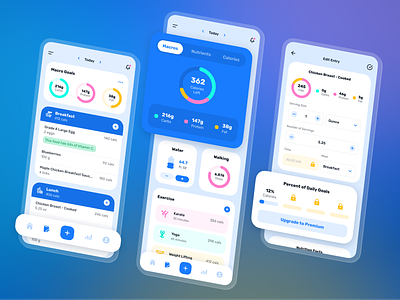
Large food database + barcode scanner + AI photo‐logging of meals. HugeDomains+1
Integrates with wearables and fitness devices for full lifestyle tracking. APK-GAMERS.COM+1Who it’s for: Anyone tracking nutrition, weight loss, macros or combining food + fitness.
2. Fitbod
6
Why it stands out:
Strong focus on strength training; the app uses AI to customise workouts based on your equipment, history & recovery. aitechfeature.com+1
Syncs with Apple Health / Google Fit / wearables to integrate data. aitechfeature.comWho it’s for: Gym users, strength-training enthusiasts who want intelligent workout plans rather than generic routines.
3. Fitbit (App + Device Ecosystem)
6
Why it stands out:
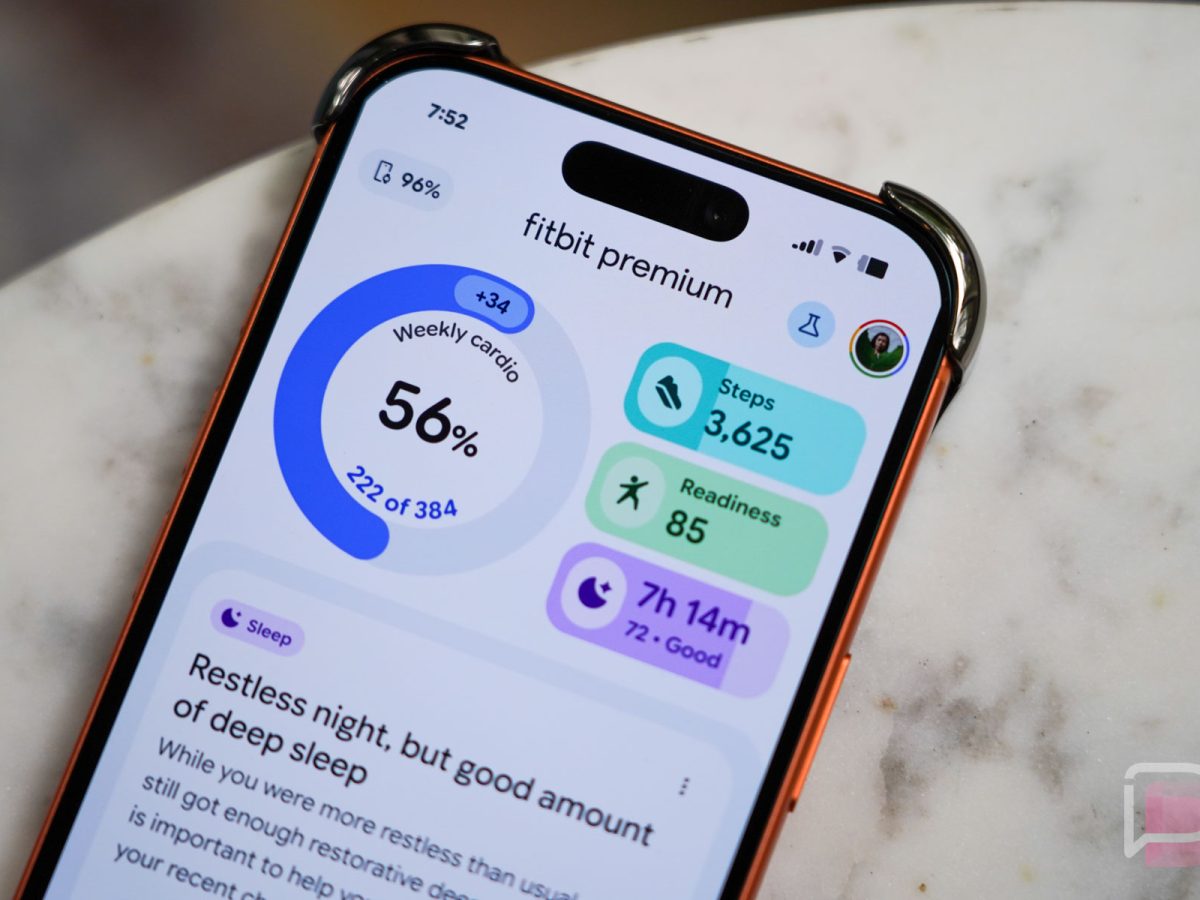
In 2025 the app includes an AI “health coach” feature for Premium users: tailored training, sleep guidance, rest/recovery suggestions. Lifewire+2Walturn+2
Strong integration with wearables (Fitbit devices) making a full ecosystem for fitness, sleep, health.
Who it’s for: Users of Fitbit hardware or those wanting an app + wearable combo with strong AI‐driven guidance.
4. Samsung Health
6
Why it stands out:
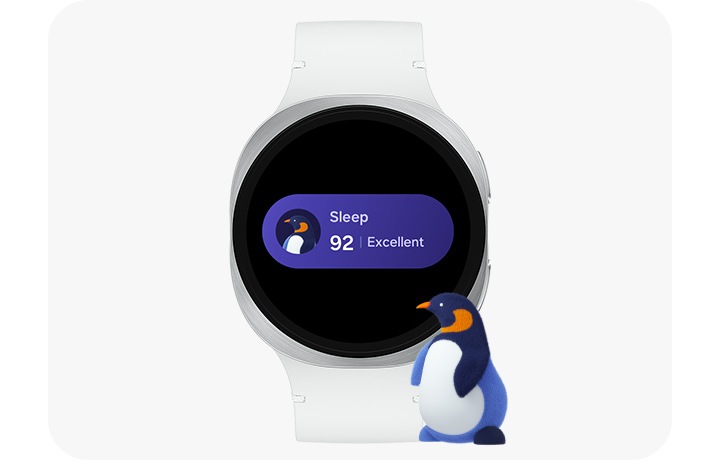
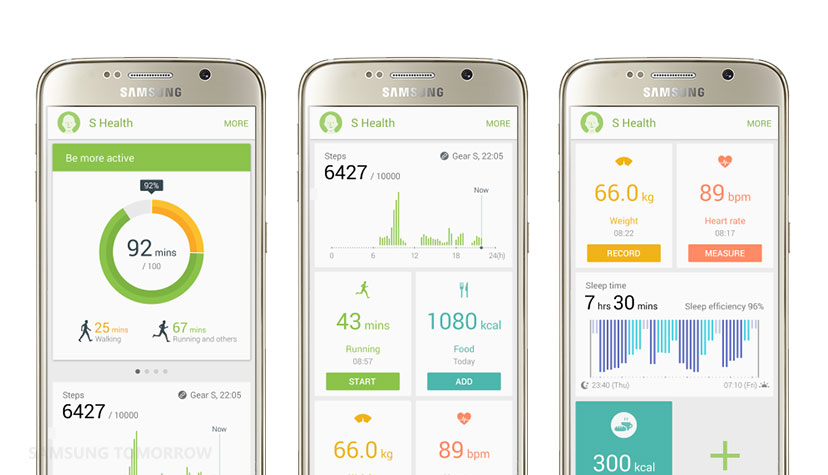
Built-in on many Samsung devices and free, it tracks activity, diet, sleep. Wikipedia
Recognised in 2025 as among the top apps using AI for holistic health (fitness + sleep + nutrition). Analytics Insight+1Who it’s for: Android users, especially those with Samsung phones or who want a no-extra-cost integrated health app.
5. Freeletics
6
Why it stands out:
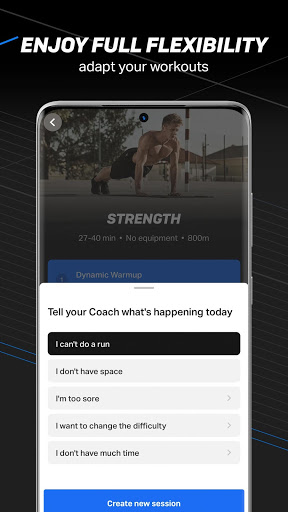
AI personal trainer that adapts workouts weekly based on your progress, fatigue, schedule. aitechfeature.com
Good for home workouts and gym alike.
Who it’s for: People who prefer guided, adaptive workouts at home without needing heavy equipment.
Key Features & What to Look For
AI Personalisation: The ability to tailor workouts, meals, sleep plans to your data rather than one-size-fits-all.
Integration with Wearables: Syncing with smartwatches, bands, sensors helps apps interpret more accurate data (HR, sleep stages, movement).
Nutrition + Sleep + Fitness in One: Best apps don’t just track one domain—they connect them (e.g., how sleep impacts workouts, nutrition impacts recovery).
Actionable Insights, Not Just Data: Good apps translate numbers into what you should do (e.g., “rest today” or “add more protein”) rather than raw stats.
Global Usability: For users in Pakistan (or similar markets), look for availability, language support and compatibility with local devices/services.
Benefits of Using These AI Health Apps
Better adherence: AI guidance helps keep you motivated, adjusts plans when you deviate.
Improved outcomes: More personalised tracking leads to stronger results for fitness, weight, recovery.
Holistic tracking: Sleep, nutrition and fitness together give clearer picture of health.
Accessibility: Many of these apps make advanced health tracking doable on a smartphone — helpful where access to in-person coaching is limited.
Challenges & Practical Considerations
Cost: Premium features (AI coaching) often require subscription.
Data Privacy: Many apps collect sensitive health data – check how your data is stored, shared.
Device compatibility: Some features may only work with specific wearables or sensors.
Local relevance: Nutrition advice, food databases may be biased toward Western diets—be sure the app fits your local context.
Human oversight: AI is a tool, not a replacement for medical advice—especially if you have existing health conditions.
Conclusion
If you’re aiming to optimise your health in 2025, leveraging AI-powered apps for fitness, sleep and nutrition is one of the smartest moves. The right app can act as a virtual coach, available around the clock, helping you stay on track.
Choose an app that aligns with your goals (weight loss, strength, recovery, sleep improvement), check compatibility with your device and budget, and commit to using it consistently. Over time, these apps can shift your health from reactive (fixing issues) to proactive (preventing issues).
Would you like me to compile a downloadable comparison table (with features, pricing, pros/cons) of the top 10–15 AI health apps for your region (Pakistan & South Asia)? I can do that next if you like.