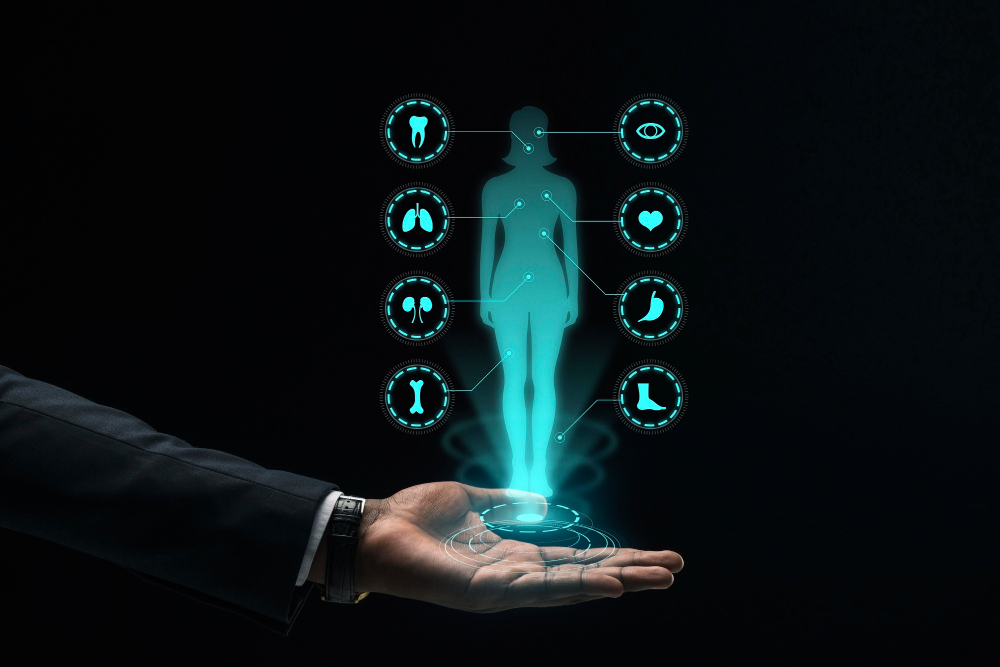
Wearable Tech & AI — The Next Big Step in Preventive Healthcare
Introduction: Prevention Is Better Than Cure — and AI Makes It Possible
For decades, medicine focused on treatment, not prevention. But as healthcare costs rise and chronic diseases become widespread, the focus has shifted to preventing illness before it happens.
Thanks to wearable technology and artificial intelligence (AI), preventive healthcare is finally becoming a reality.
From smartwatches that detect irregular heartbeats to AI systems that predict diabetes risk, we’re entering a world where technology doesn’t just track health — it protects it.
What Is Preventive Healthcare?
Preventive healthcare refers to proactive health management aimed at avoiding disease before it develops.
It includes regular screenings, fitness monitoring, early detection, and lifestyle changes.
Now, with AI and wearable devices, this approach has evolved into a personalized, data-driven model.
Key Focus Areas:
Early disease detection
Continuous monitoring of vital signs
Predictive analytics for chronic conditions
Lifestyle coaching and behavior change
The Rise of Wearable Health Technology
Wearable tech includes devices like smartwatches, fitness bands, biosensors, and smart rings that collect real-time health data such as:
Heart rate
Blood pressure
Blood oxygen (SpO₂)
Sleep patterns
Stress levels
Physical activity
These devices have become more than fitness tools — they’re portable health labs on your wrist.
Popular Wearable Devices in 2025:
Apple Watch Ultra 3: Detects irregular heart rhythms and tracks blood oxygen.
Fitbit Sense 2: Monitors stress and skin temperature for early illness detection.
Oura Ring 4: Tracks sleep, recovery, and readiness scores.
Samsung Galaxy Ring: Offers real-time heart monitoring and fitness tracking.
Withings ScanWatch 2: ECG + SpO₂ + temperature sensor for early cardiovascular detection.
How AI Enhances Wearable Tech
Wearables alone collect data — but AI turns that data into actionable insights.
Here’s how AI makes wearables smarter:
Pattern Recognition: AI detects subtle changes in your data (e.g., rising resting heart rate) that could signal illness.
Predictive Analytics: Machine learning predicts potential conditions like diabetes, hypertension, or cardiac issues before symptoms appear.
Personalized Coaching: AI-driven health apps provide tailored recommendations on diet, sleep, and exercise.
Continuous Learning: The more data AI gathers, the more accurate it becomes — creating a feedback loop for precision prevention.
Real-World Applications of Wearable AI in Preventive Healthcare
1. Cardiac Health Monitoring
AI-powered smartwatches can detect atrial fibrillation (AFib), a condition that often leads to strokes.
Apple’s Heart Study found that its algorithm correctly identified irregular heartbeats in over 97% of cases.
2. Diabetes Prediction
Continuous glucose monitors (CGMs) like Dexcom G7 and Abbott FreeStyle Libre use AI to predict glucose trends and alert users before levels spike or drop dangerously.
3. Sleep and Mental Health Tracking
AI-based sleep analysis tools detect sleep apnea, stress, and anxiety through heart rate variability and breathing patterns — offering personalized mental wellness plans.
4. Early Cancer Detection
Researchers are developing AI-powered biosensors that can identify cancer biomarkers from sweat or skin changes — potentially catching diseases at their earliest stage.
Benefits of AI-Powered Wearables
For Patients
For Healthcare Providers
Early disease detection
Continuous patient monitoring
Improved lifestyle habits
Data-driven clinical decisions
Personalized health plans
Reduced hospital readmissions
24/7 access to health data
Efficient preventive care strategies
Wearable AI bridges the gap between daily life and clinical care, turning patients into active participants in their health journey.
AI + Wearables = Predictive and Preventive Medicine
Traditional medicine waits for symptoms. AI-driven wearables predict and prevent them.
For example:
A smartwatch detects an irregular pulse → sends an alert → user visits doctor → heart disease prevented.
A sleep tracker detects poor recovery trends → AI suggests rest + hydration → burnout avoided.
This approach shifts healthcare from “sick care” to “smart care.”
Challenges and Ethical Considerations
Despite their potential, wearable AI devices face important challenges:
🔐 Privacy & Data Security: Continuous data collection raises concerns about who owns and accesses the data.
⚖️ Accuracy: False positives or technical errors can lead to unnecessary anxiety or wrong self-diagnosis.
💸 Affordability: High-end wearables remain out of reach for many populations.
📶 Connectivity Gaps: Rural areas with poor internet may struggle to benefit from real-time monitoring.
Regulatory frameworks must evolve to ensure safe, ethical, and equitable use of wearable AI in healthcare.
The Future of Preventive Healthcare (2025–2035)
Smart clothing embedded with biosensors for real-time health analysis.
AI-driven insurance models that reward healthy habits tracked via wearables.
Continuous mental health tracking through emotion-sensing algorithms.
Predictive digital twins that simulate your body’s response to diseases or treatments.
Integration with virtual doctors for instant AI-assisted consultations.
The ultimate goal? A world where healthcare systems focus on preventing illness, not just treating it.
Conclusion: From Fitness Gadgets to Life-Saving Tools
Wearable tech and AI are transforming preventive healthcare into a proactive, personalized, and predictive experience.
These innovations empower individuals to take control of their health, reduce the burden on hospitals, and create a healthier global population.
In the near future, your watch, ring, or even your shirt could be your first line of defense against disease — quietly working with AI to keep you safe, strong, and healthy.
Because the future of healthcare isn’t just smart — it’s wearable.